Detox Georgia
Watching someone you love struggle with alcohol or drugs is hard. In Georgia, 69 medical detox programs are listed by SAMHSA as of November 2026. Finding the right one starts with understanding what's available.
- programs in Georgia
- 69
- take Medicaid
- 47
- take private insurance
- 59
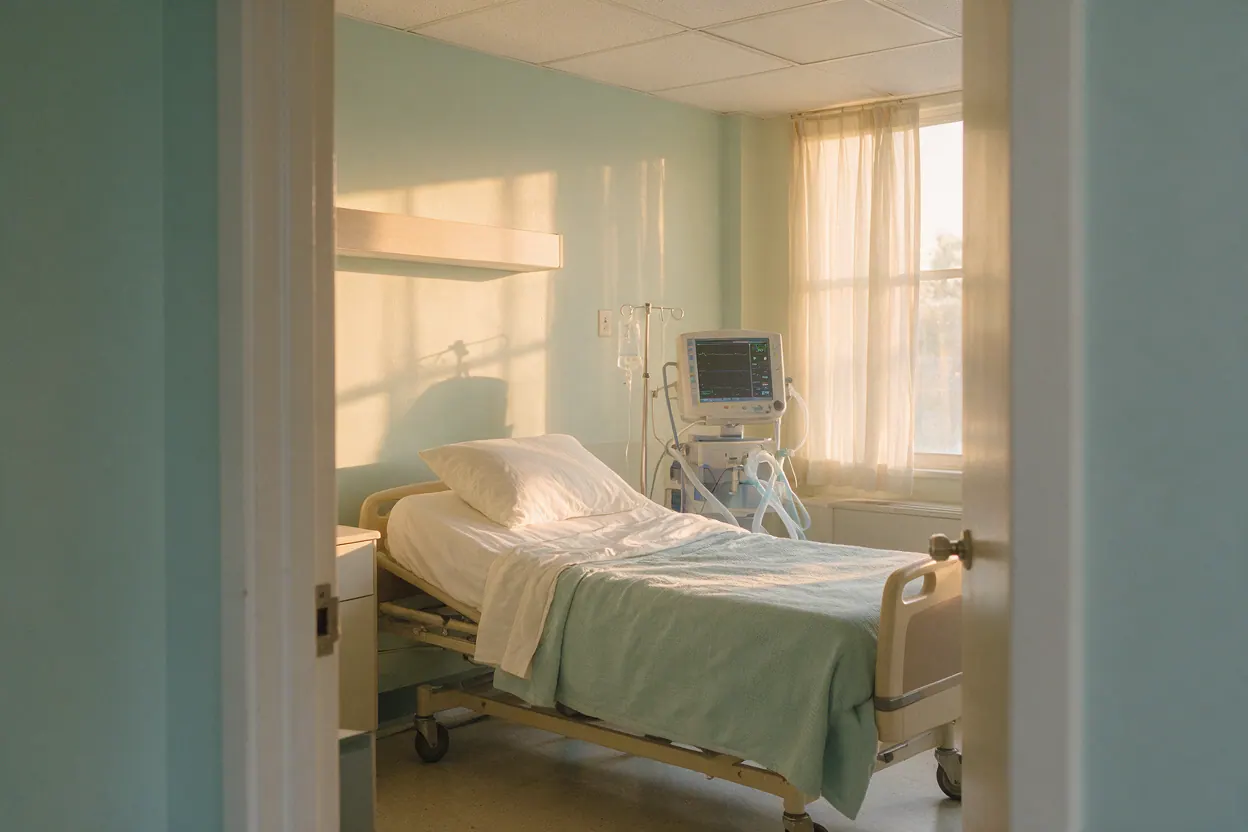
For many people with a substance use disorder, medical detox is the first stage of treatment. It means 24/7 supervision by medical staff while the body clears alcohol, opioids, benzodiazepines, or other drugs. The aim is safety and comfort during withdrawal, which can range from mild to life-threatening. According to SAMHSA's FindTreatment.gov listings, 69 facilities in Georgia offer this level of care. Such programs usually last a few days to a week, depending on the substance and the person's health.
A typical day in detox includes medical check-ins, vitals monitoring, and medication to ease withdrawal symptoms when appropriate. You'll also get meals, rest, and a first introduction to counseling and discharge planning. Staff will assess whether you need inpatient rehab, outpatient care, or medication for opioid use disorder after detox. The environment is structured and calm, with limited visitors and phone use in many programs. The focus is on stabilizing your health and connecting you to the next step.
Paying for detox in Georgia
There are several ways to pay for detox: private insurance, Medicaid, Medicare, or a sliding-fee scale. In Georgia, 47 detox facilities accept Medicaid and 59 accept private insurance. Under federal parity law, many plans must cover substance use treatment at levels comparable to medical care, though it is still wise to confirm your own benefits. If you have no insurance, ask about a sliding fee; 14 facilities in Georgia offer one. Our helpline can help you understand the costs, but it cannot guarantee coverage or a bed.

Who medical detox in Georgia is for
- People who drink heavily and risk dangerous withdrawal symptoms like seizures or delirium tremens.
- Those dependent on opioids who want to transition to medication-assisted treatment or rehab.
- Individuals with mental health needs alongside substance use who need 24/7 medical oversight; 44 detox facilities in Georgia offer dual diagnosis care.
- Anyone whose withdrawal is likely to be complicated by other health issues, such as heart or liver disease.
What to expect during detox in Georgia
Intake and assessment
You'll meet with medical staff who review your health history, substance use, and insurance. They'll determine the right level of care and explain the detox process.
Medical stabilization
Withdrawal symptoms are managed with medication and monitoring. Staff check vitals regularly and adjust comfort meds as needed. The focus is on safety.
Counseling and planning
Short counseling sessions help you set goals for after detox. Discharge planners connect you to rehab, outpatient programs, or medication-assisted treatment.
Transition to ongoing care
Before you leave, you'll have a plan for the next step. That might be inpatient rehab, intensive outpatient, or a sober living arrangement. Follow-up matters.


Detox Georgia facilities and payment
SAMHSA listings show 69 Georgia facilities that provide medical detox. Among them, 47 accept Medicaid, 59 accept private insurance, 43 accept Medicare, and 14 offer sliding-fee scales. Many programs also provide Spanish-language services (9 facilities) and telehealth (45 facilities). Treat those numbers only as a starting point, since availability varies by region. If Georgia Medicaid is your coverage, ask for detox centers that take it, as 47 of the 69 listed programs do. Many of the state's detox facilities are around Atlanta, so local options may be more plentiful. In rural Georgia, telehealth or nearby outpatient programs might be part of the plan after detox. Our helpline is free, private, and does not commit you to anything.
- take Medicaid
- 47
- take private insurance
- 59
- take Medicare
- 43
- use a sliding fee
- 14
| Center | Location | Levels of care | Takes |
|---|---|---|---|
| Acworth Outpatient Detox | Acworth | Detox, Residential, Outpatient | Medicaid, Insurance |
| Sunrise Detox | Alpharetta | Detox, Residential | Insurance |
| Athens Area Commencement Center | Athens | Detox, PHP, IOP, Outpatient | Medicaid, Insurance |
| Ascensa Health | Atlanta | Detox, Residential | — |
| Dunwoody Recovery Place | Atlanta | Detox, Residential | Insurance |
| Medicine Wheel Clinic | Auburn | Detox, Outpatient, OTP | — |
| VA Augusta Healthcare System | Augusta | Detox, Residential, IOP, Outpatient | Medicaid, Medicare, Insurance |
| Residential Treatment Facility | Augusta | Detox, Residential | — |
| Center for Wellness and Recovery of NE | Toccoa | Detox, Residential, PHP, IOP, Outpatient | Insurance |
| Blue Ridge Mountain Recovery Center | Ball Ground | Detox, Residential | Insurance |
Good to know
Does Georgia Medicaid pay for inpatient rehab or detox?
Georgia Medicaid does cover detox and rehab when they are medically necessary. Per SAMHSA listings, 47 detox facilities in the state accept Medicaid. Still, what's covered hinges on your particular plan and on medical necessity, and prior authorization may be required. Our helpline can point you toward programs that take Medicaid, though it's best to confirm the specifics with the facility and with your Medicaid provider.
How long does medical detox last?
Most detox programs last between three and seven days, depending on the substance and your health. Alcohol and benzodiazepine withdrawal typically peak within the first 72 hours, while opioid withdrawal may last a week or more. Staff will monitor you closely and adjust the length of stay as needed. The goal is to stabilize you safely before moving to ongoing treatment.
Is detox safe?
When medical professionals monitor closely, detox is usually safe. Even so, alcohol or benzodiazepine withdrawal can grow risky, even life-threatening, without a clinician present. That is why 44 detox facilities in Georgia provide dual diagnosis care for co-occurring conditions. Please do not try to withdraw from alcohol or benzodiazepines on your own; a clinician should supervise the process.
What happens after detox?
After detox, you'll transition to ongoing treatment such as inpatient rehab, outpatient counseling, or medication-assisted treatment. In Georgia, 58 residential rehab facilities and 225 outpatient programs are listed, giving you options. The detox staff will help create a discharge plan. Following through with aftercare significantly improves your chances of lasting recovery.
Can I bring my phone or have visitors?
Many detox centers limit phone use and visitors to protect your privacy and focus on treatment. Policies vary by facility. When you call the helpline, advisors can explain typical rules. It's best to ask the specific program about their visitor and communication policies before you arrive.
What if I don't have insurance?
Lacking insurance does not have to stand in your way. In Georgia, 14 detox facilities use sliding-fee scales, and some accept Medicaid if you qualify. Our helpline can direct you to programs that fit your budget. The call is free and private, and no one will pressure you into treatment.
Get help finding detox in Georgia
When you want to look into medical detox, for yourself or for someone you love, our helpline is open 24/7 and costs nothing to call. Advisors can go over the 69 detox programs listed in Georgia, check insurance and Medicaid options, and explain what to expect. Calling commits you to nothing and stays private. Working this out on your own isn't necessary.