Inpatient Rehab Georgia
You can call a Georgia helpline 24 hours a day for free guidance. In 2026, 58 inpatient and residential rehab facilities are listed across the state. Advisors can explain how admission works and what payment options exist.
- programs in Georgia
- 58
- take Medicaid
- 23
- take private insurance
- 31
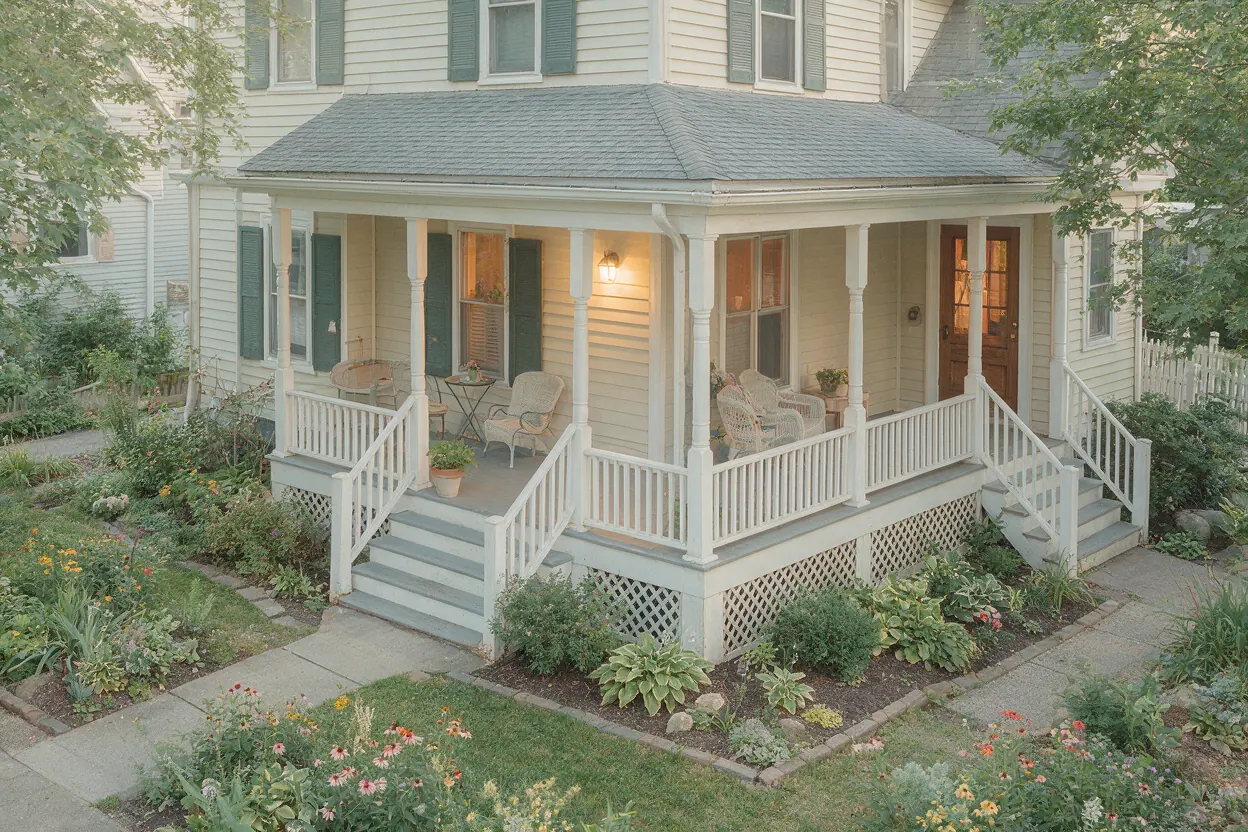
Inpatient rehab in Georgia means living at the facility for the whole program, which may last a few weeks or several months depending on the level of care needed. It is a structured residential setting where clinical services are delivered on site. A typical day includes individual therapy, group counseling, medication management when appropriate, meals, and scheduled rest. For individuals dealing having a psychiatric condition as well as an addiction disorder, some Georgia programs offer dual diagnosis care. According to SAMHSA listings, fifty residential facilities in the state have that dual diagnosis capability.
In inpatient rehab, each day is predictable by design. You rise at a set hour, join morning groups, share meals with other residents, and sit down with a counselor or clinician. Evenings might bring recovery meetings or calls with family. In programs that also run detox, medical staff are available around the clock. When someone is withdrawing from alcohol or benzodiazepines, a clinician should be overseeing it; those withdrawals can be dangerous and belong with licensed clinicians rather than handled alone. The structure of residential care puts distance between you and the people and places that made heavy drinking or drug use easier.
Paying for inpatient rehab in Georgia
Payment options for inpatient rehab in Georgia include private insurance, Medicaid, Medicare, and sliding fee scales, and 31 of the 58 residential facilities accept private insurance while 23 accept Medicaid. Because Georgia has not expanded Medicaid, many adults will not qualify for Medicaid coverage, so it is worth checking before you count on it. If you are paying yourself, ask about sliding fee slots at the 13 facilities that report them. The helpline advisors can walk through what each option means for your situation, but they cannot promise coverage or a specific bed.

Who inpatient rehab in Georgia fits
- People who have tried outpatient care but keep returning to heavy drinking or drug use, and who need a live-in setting with clinical staff on site.
- Someone whose withdrawal from alcohol or benzodiazepines is risky enough that medical supervision during detox is necessary before residential treatment begins.
- People with a dual diagnosis, which means a substance use disorder along with depression, anxiety, trauma, or another mental health condition, and who need both conditions treated together.
- Anyone whose home environment makes early recovery hard to sustain, and who wants a structured residential program away from daily triggers.
What the call is like
A short, private conversation
An advisor answers 24 hours a day and asks what substances are involved, how long use has gone on, and whether withdrawal is a concern. The call is free and you are not obligated to enroll anywhere.
A level-of-care recommendation
Based on what you describe, the advisor explains whether inpatient or residential care seems appropriate, or whether detox, partial hospitalization, or intensive outpatient might fit better. If alcohol or benzodiazepine withdrawal is involved, they will stress medical supervision.
Insurance and payment checks
An advisor can review those 58 residential facilities to find out which accept your coverage, whether that is Medicaid, private insurance, Medicare, or a sliding fee. You will have a clearer grasp of the cost before you decide anything.
Next steps with a licensed provider
If you want to move forward, the advisor can connect you with a licensed Georgia provider for a clinical assessment. Admission decisions rest with that provider, not with the helpline.

Inpatient rehab Georgia
Statewide, the SAMHSA FindTreatment.gov listings include 58 facilities offering inpatient or residential rehab. Among them, 23 take Medicaid, 31 take private insurance, 17 take Medicare, and 13 offer a sliding fee scale for those paying out of pocket. Four deliver services in Spanish, 50 offer dual diagnosis treatment, and 39 offer telehealth for parts of care. Being listed doesn't mean endorsement, and availability shifts; an advisor can say which programs have room right now. If you're looking at inpatient rehab Georgia choices near Atlanta or in south Georgia, remember the count spans the entire state, so geography matters when you narrow the list.
Cost stops many families before anything else. If a facility accepts Georgia Medicaid, the financial picture changes, but Georgia has not expanded Medicaid, so adult eligibility rules stay strict, and you should confirm your coverage with the program directly. With private insurance, federal parity law may require your plan to cover substance use treatment on par with medical care, though you still need to check network status. Our helpline is free and private, and talking with us commits you to no program.
- take Medicaid
- 23
- take private insurance
- 31
- take Medicare
- 17
- use a sliding fee
- 13
| Center | Location | Levels of care | Takes |
|---|---|---|---|
| View Point Health | Covington | Residential | Medicaid, Sliding fee |
| Anchorage Inc | Leesburg | Residential | — |
| Acworth Outpatient Detox | Acworth | Detox, Residential, Outpatient | Medicaid, Insurance |
| Sunrise Detox | Alpharetta | Detox, Residential | Insurance |
| Potters House | Jefferson | Residential | — |
| Ascensa Health | Atlanta | Residential, PHP, IOP, Outpatient | — |
| Ascensa Health | Atlanta | Detox, Residential | — |
| Dunwoody Recovery Place | Atlanta | Detox, Residential | Insurance |
| Newport Academy | Atlanta | Residential, PHP, IOP, Outpatient | Insurance |
| MARR | Atlanta | Residential, PHP, IOP, Outpatient | Medicaid, Insurance |
Good to know
Does Georgia Medicaid pay for inpatient rehab?
It can, for people who qualify. Of the 58 inpatient and residential facilities listed in Georgia, 23 accept Medicaid. However, Georgia has not adopted Medicaid expansion, so adult eligibility is limited. Confirm with the facility and your caseworker before assuming coverage. The helpline can point you to programs that accept Medicaid, but eligibility is determined by the state, not the treatment center.
How many inpatient rehab facilities are in Georgia?
There are 58 inpatient and residential rehab facilities listed on SAMHSA FindTreatment.gov for Georgia as of 2026. That is out of 264 total substance use treatment facilities in the state across all levels of care. Of the 58 residential programs, 50 offer dual diagnosis treatment and 39 offer some telehealth services. Listings change, so an advisor can confirm current openings.
What are the current drug problems in Georgia?
In Georgia, as in much of the country, opioid and stimulant use show up often in treatment admissions, and alcohol is still a common reason people reach out for help. State listings show 143 facilities offering medication for opioid use disorder and 69 providing medical detox, which says something about how real the need is. The helpline can discuss which substances a particular program is equipped to treat, though it can't diagnose anyone.
How long does inpatient rehab last?
How long someone stays depends on the program and their clinical needs, and no single answer fits everyone. Some residential programs last 28 to 30 days, and others run 60 to 90 days or even longer. The right length hinges on the assessment, the person's withdrawal history, and how things are progressing. Ask each facility directly. An advisor can help you weigh programs against each other, but the facility's clinical team settles on duration.
Is detox required before inpatient rehab?
Frequently, though not always, this happens when benzodiazepines or alcohol are part of the picture. Across Georgia, 69 facilities provide medical detox. Coming off alcohol or benzodiazepines can be hazardous and calls for a clinician's oversight; please don't try to quit by yourself without a clinician guiding you. If detox has to happen first, an advisor can help locate a program that offers it ahead of residential care beginning.
What if I don't have insurance?
You still have options. Thirteen of the 58 residential facilities in Georgia offer a sliding fee scale, and some programs accept Medicaid or Medicare. The helpline is free, and advisors can identify lower-cost programs. They cannot guarantee a free bed, and availability changes. Call anytime to talk through what you can afford and which facilities might work for your situation.
Talk to someone about rehab in Georgia
This helpline is staffed at all hours by trained advisors who collaborate with licensed providers. Reaching out is free and confidential, with no strings attached. When the call concerns a relative, you can ask questions without sharing their name. To compare inpatient rehab choices in Georgia, call and an advisor can walk you through the 58 residential programs. Nobody will push you to enroll, and the choice rests with you and the clinical team.